![]() |
|
Human Immunodeficiency Virus (HIV) InfectionTopic OverviewWhat is HIV? What is AIDS?HIV (human immunodeficiency virus) is a virus that attacks the immune system, the body’s natural defense system. Without a strong immune system, the body has trouble fighting off disease. Both the virus and the infection it causes are called HIV. White blood cells are an important part of the immune system. HIV invades and destroys certain white blood cells called CD4+ cells. If too many CD4+ cells are destroyed, the body can no longer defend itself against infection. The last stage of HIV infection is AIDS (acquired immunodeficiency syndrome). People with AIDS have a low number of CD4+ cells and get infections or cancers that rarely occur in healthy people. These can be deadly. But having HIV does not mean you have AIDS. Even without treatment, it takes a long time for HIV to progress to AIDS—usually 10 to 12 years. If HIV is diagnosed before it becomes AIDS, medicines can slow or stop the damage to the immune system. With treatment, many people with HIV are able to live long and active lives. What causes HIV?HIV infection is caused by the human immunodeficiency virus. You can get HIV from contact with infected blood, semen, or vaginal fluids.
HIV doesn't survive well outside the body. So it cannot be spread by casual contact such as kissing or sharing drinking glasses with an infected person. What are the symptoms?HIV may not cause symptoms early on. People who do have symptoms may mistake them for the flu or mono. Common early symptoms include:
Symptoms may appear from a few days to several weeks after a person is first infected. The early symptoms usually go away within 2 to 3 weeks. After the early symptoms go away, an infected person may not have symptoms again for many years. Without treatment, the virus continues to grow in the body and attack the immune system. After a certain point, symptoms reappear and then remain. These symptoms usually include:
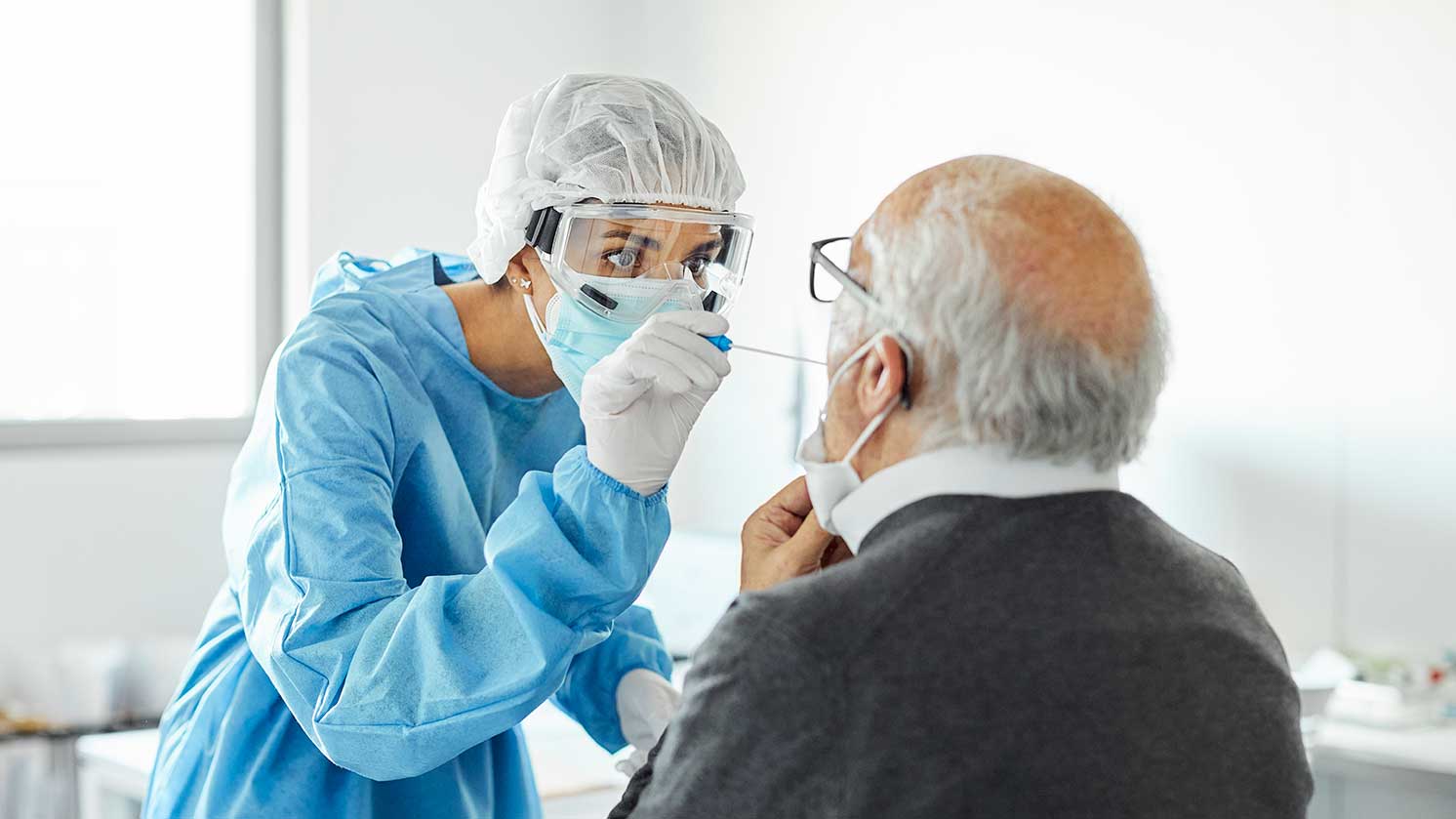
A doctor may suspect HIV if these symptoms last and no other cause can be found. Treatment usually keeps the virus under control and helps the immune system stay healthy. How is HIV diagnosed?The U.S. Food and Drug Administration (FDA) has approved tests that detect HIV antibodies in urine, fluid from the mouth (oral fluid), or blood. If a test on urine or oral fluid shows that you are infected with HIV, you will probably need a blood test to confirm the results. If you have been exposed to HIV, your immune system will make antibodies to try to destroy the virus. Blood tests can find these antibodies in your blood. Most doctors use two blood tests, called the ELISA and the Western blot assay. If the first ELISA is positive (meaning that HIV antibodies are found), the blood sample is tested again. If the second test is positive, the doctor will do a Western blot to be sure. It may take as long as 6 months for HIV antibodies to show up in a blood sample. If you think you have been exposed to HIV but you test negative for it:
Some people are afraid to be tested for HIV. But if there is any chance you could be infected, it is very important to find out. HIV can be treated. Getting early treatment can slow down the virus and help you stay healthy. And you need to know if you are infected so you can prevent spreading the infection to other people. You can get HIV testing in most doctors’ offices, public health clinics, hospitals, and Planned Parenthood clinics. You can also buy a home HIV test kit in a drugstore or by mail order. But be very careful to choose only a test that has been approved by the U.S. Food and Drug Administration (FDA). If a home test is positive, see a doctor to have the result confirmed and to find out what to do next. How is it treated?The standard treatment for HIV is a combination of medicines called highly active antiretroviral therapy (HAART). Antiretroviral medicines slow the rate at which the virus multiplies. Taking these medicines can reduce the amount of virus in your body and help you stay healthy. It may not be easy to decide the best time to start treatment. There are pros and cons to taking HAART before you have symptoms. Discuss these with your doctor so you understand your choices. To monitor the HIV infection and its effect on your immune system, a doctor will do two tests:
If you have no symptoms and your CD4+ cell count is at a healthy level, you may not need treatment yet. Your doctor will repeat the tests on a regular basis to see how you are doing. If you have symptoms, you should consider starting treatment, whatever your CD4+ count is. After you start treatment, it is important to take your medicines exactly as directed by your doctor. When treatment doesn't work, it is often because HIV has become resistant to the medicine. This can happen if you don't take your medicines correctly. Ask your doctor if you have questions about your treatment. Treatment has become much easier to follow over the past few years. New combination medicines include two or three different medicines in one pill. Many people with HIV get the treatment they need by taking just one or two pills a day. To stay as healthy as possible during treatment:
Learn all you can about HIV so you can take an active role in your treatment. Your doctor can help you understand HIV and how best to treat it. Also, consider joining an HIV support group. Support groups can be a great place to share information and emotions about HIV infection. How can you prevent HIV?HIV can be spread by people who don't know they are infected. To protect yourself and others:
Frequently Asked Questions
Health ToolsHealth Tools help you make wise health decisions or take action to improve your health.
CauseThe infection is caused by the human immunodeficiency virus (HIV). After HIV is in the body, it attacks and destroys CD4+ cells, which are the part of the body's immune system that fights infection and disease. When HIV weakens or destroys the immune cells, it may lead to certain illnesses or diseases, such as some types of pneumonia or cancer that are more likely to develop in someone who has a weakened immune system. These conditions are a sign that HIV has progressed to AIDS. HIV is spread when blood, semen, or vaginal fluids from an infected person enter another person's body, usually through sexual contact, from sharing needles when injecting drugs, or from mother to baby during birth. HIV is rarely spread by blood transfusions or organ transplants in the United States because of improved screening procedures. SymptomsHIV infection progresses in stages. These stages are based on your symptoms and the amount of the virus in your blood. Most people go through the following stages after being infected with HIV: Initial stage (acute retroviral syndrome)Acute retroviral syndrome is an illness with symptoms like mononucleosis. It often develops within a few days of infection, but it may occur several weeks after the person is infected. Symptoms may include:
These first symptoms can range from mild to severe and usually disappear on their own after 2 to 3 weeks. Chronic stageIt may take years for HIV symptoms to develop. But even though no symptoms are present, the virus is multiplying (or making copies of itself) in the body during this time. HIV multiplies so quickly that the immune system cannot destroy the virus. After years of fighting HIV, the immune system starts to weaken. A doctor may suspect HIV if symptoms persist or if a cause of the symptoms (such as the flu) cannot be identified. HIV may also be suspected when several of the following symptoms are present:
Also, HIV may be suspected when a woman has at least one of the following:
Children with HIV often have different symptoms (for example, delayed growth or an enlarged spleen) than teens or adults. Late stageAIDS occurs during the last stage of infection with HIV. If HIV goes untreated, AIDS develops in most people within 12 to 13 years after the initial infection. With treatment for HIV, the progression to AIDS may be delayed or prevented. After your immune system starts to weaken, you are more likely to develop certain infections or illnesses, called opportunistic infections. Examples include some types of pneumonia or cancer that are more common when you have a weakened immune system. A small number of people who are infected with HIV are rapid progressors. They develop AIDS within a few years if they do not receive treatment. It is not known why the infection progresses faster in these people. What HappensThere are two types of HIV:
How the disease is spreadHIV is spread when blood, semen, or vaginal fluids from an infected person enter another person's body, usually through:
It is now extremely rare in the United States for HIV to be transmitted by blood transfusions or organ transplants. Blood and organ donors are screened for risk factors. All donated blood and organs are screened for HIV. Health care workers are no longer considered to be at high risk of exposure to HIV. Policies are in place in health facilities that require protection from accidental exposure. Workers must properly dispose of sharp objects and wear protective gloves, gowns, and eye and face protection. These measures have been effective in protecting health care workers from HIV. Spread of HIV to babiesA woman who is infected with HIV can spread the virus to her baby during pregnancy, delivery, or breast-feeding.
Ways HIV cannot be spreadHIV does not survive well outside the body. So HIV cannot be spread through casual contact with an infected person—such as sharing drinking glasses or by casual kissing. HIV is not transmitted through contact with an infected person's saliva, sweat, tears, urine, or feces, or through insect bites. Contagious and incubation periodThe incubation period—the time between when a person is first infected with HIV and when early symptoms develop—may be a few days to several weeks. It can take as little as 2 weeks or as long as 6 months from the time you become infected with HIV for the antibodies to be detected in your blood. This is commonly called the "window period," or seroconversion period. During the window period, you are contagious and can spread the virus to others. If you think you have been infected with HIV but you test negative for it, you should be tested again 6 months later. After you become infected with HIV, your blood, semen, or vaginal fluids are always infectious, even if you receive treatment for the HIV infection. Stages of HIVMost people go through the following stages after being infected with HIV if the infection is not treated:
A small number of people who are infected with HIV are rapid progressors. They develop AIDS within a few years if they do not receive treatment. It is not known why the infection progresses faster in these people. Nonprogressors and HIV-resistantA few people have HIV that does not progress to more severe symptoms or disease. They are referred to as nonprogressors. A small number of people never become infected with HIV despite years of exposure to the virus. For example, they may have repeated, unprotected sex with an infected person. These people are said to be HIV-resistant. What Increases Your RiskMost people get HIV by having unprotected sex with someone who has HIV. Another common way of getting the virus is by sharing needles with someone who is infected with HIV when injecting drugs. You have an increased risk of becoming infected with HIV through sexual contact if you:
People who inject drugs or steroids, especially if they share needles, syringes, cookers, or other equipment used to inject drugs, are at risk of being infected with HIV. Babies who are born to mothers who are infected with HIV are also at risk of infection. What to think aboutHIV may be spread more easily in the early stage of infection, when the first flu-like symptoms of HIV (acute retroviral syndrome) are present, and again later, when symptoms of HIV-related illness develop. The risk of getting HIV from a blood transfusion or organ transplant is extremely low because all donated blood and organs in the United States are screened for HIV. When To Call a DoctorKnown HIV infectionIf you are infected with HIV or caring for someone who is, call 911 or other emergency services immediately if any of the following conditions develop:
Call your doctor if any of the following conditions develop:
Suspected or known exposure to HIV and symptoms are presentMany people have a flu-like illness 3 to 6 weeks after they are first infected with HIV, but symptoms can occur within a few days of infection. Symptoms of acute retroviral syndrome (such as nausea and headache), which are the first signs of HIV infection, are often mistaken for symptoms of another viral infection. Call your doctor to find out whether HIV testing is needed if you suspect you have been exposed to HIV, particularly if you engage in high-risk behavior and have any of the following symptoms:
Initial symptoms of HIV infection may be mild to severe and usually disappear on their own after 2 to 3 weeks. Suspected or known exposure to HIV but symptoms are not presentIf you have not been tested for HIV, call your doctor if:
Getting tested for HIV can be scary, but the condition is treatable. So it is important to get tested if you think you have been exposed. Early detection and monitoring of HIV will help your doctor determine whether the disease is getting worse and when to start treatment. Watchful WaitingUntil you know the results of your test:
If you do not have symptoms of HIV even though you have tested positive for the virus, you and your doctor may simply continue to watch for symptoms to occur. If you do not show any signs of disease and your CD4+ cell count is more than 350 cells per microliter (mcL), you may not require treatment. But during this time you still need regular checkups with a doctor to monitor your viral load and CD4+ cell counts. These tests measure the amount of HIV in your blood and detect how well your immune system is working. Who To SeeHealth professionals who can diagnose and may treat HIV include:
HIV can also be diagnosed and treated at an HIV care clinic. Complications of HIV may require treatment by the following doctors:
If you do not have a doctorPublic health clinics and other organizations provide low-cost, confidential testing and counseling about HIV and high-risk behavior. If you have questions about the testing procedure, ask your doctor to explain the procedure to you. If you do not have a doctor, contact one of the following for information on HIV testing in your area:
To prepare for your appointment, see the topic Making the Most of Your Appointment. Exams and TestsGetting tested for HIV can be scary, but the condition is treatable. So it is important to get tested if you think you have been exposed. If you test positive, early detection and monitoring of HIV will help your doctor find out whether the disease is getting worse and when to start treatment. Your doctor may recommend counseling before and after HIV testing, and it is usually available at the hospital or clinic where you will be tested. This will give you an opportunity to:
HIV is diagnosed when antibodies to HIV are detected in the blood. The two primary blood tests used to detect the HIV antibodies are:
HIV is diagnosed only after two or more positive ELISA tests are confirmed by one positive Western blot assay. It can take as little as 2 weeks or as long as 6 months from the time you become infected with HIV for the antibodies to be detected in your blood. This is commonly called the "window period," or seroconversion period. During the window period, you are contagious and can spread the virus to others. If you think you have been exposed to HIV but you test negative for it, you should be tested again 6 months later. Testing positive for HIV infectionTesting positive for HIV will probably make you anxious and afraid about your future. The good news is that people being treated for HIV are living longer than ever before with the help of medicines that slow the rate at which HIV progresses to AIDS or even prevent AIDS from developing. Your doctor can help you understand your condition and how best to treat it. If you test positive for HIV, your doctor will complete a medical history and physical exam. He or she may order several lab tests to evaluate your overall health condition and identify current or previous infections that may become more complicated because of HIV. These tests include:
Some strains of HIV may be resistant to certain medicines. If you tested positive for HIV, your doctor may test you at this stage to see if you have been infected with a drug-resistant strain of HIV. This will help him or her figure out which medicines to use when the infection is treated. Your doctor will use the results of the physical exam and lab tests at later exams to find out the progression of HIV. What to think aboutThe Centers for Disease Control and Prevention (CDC) recommends HIV screening as part of routine blood testing. You and your doctor can decide if testing is right for you. Most test facilities will have the ELISA test results in 2 to 4 days. Results of the Western blot take longer, 1 to 2 weeks. The OraQuick Rapid HIV-1 Antibody test gives results in as little as 20 minutes. Although the OraQuick test is known to be very accurate, recently there have been more test results that appear to show HIV when in fact HIV is not present (false-positive). Experts are not sure why this is happening. Call and ask for your HIV test results if you have not been contacted within 1 to 2 weeks of being tested. Denial, fear, and depression are common reactions to a diagnosis of HIV. Don't be afraid to ask for the emotional support you need. If your family and friends are unable to provide you with support, a professional counselor can help. Monitoring of established HIV infectionTwo tests will be done regularly to monitor how much HIV is in your blood (viral load), and how the virus is affecting your immune system. The results of these tests will help you make decisions about starting highly active antiretroviral therapy (HAART) or switching to new medicines if the ones you are currently taking are not effective.
Testing for drug resistanceHIV often changes or mutates in the body. Sometimes these changes make the virus resistant to a particular medicine or class of medicines. This means the medicine can no longer slow down or prevent the virus from multiplying or protect the immune system. Two blood tests are available to detect drug resistance in the virus:
The U.S. Department of Health and Human Services (DHHS) recommends that HIV genotype testing should be done for everyone when first diagnosed with HIV infection.5 The results can tell if a person is infected with a resistant strain of HIV. This information helps develop a treatment approach to use when treatment is started. You also may be tested for drug resistance when you are ready to begin treatment, viral load numbers stop declining during treatment, or viral load numbers become detectable after not being detectable while on treatment. Drug resistance can occur when:
Other medicines are available that may treat some resistant strains of HIV. How is AIDS diagnosed?AIDS is the last and most severe stage of HIV infection. It is diagnosed if the results of your test show that you have:
Early DetectionThe U.S. Centers for Disease Control and Prevention (CDC) recommends that everyone should get tested for HIV as part of their regular medical care. In addition, the United States Preventive Services Task Force (USPSTF) recommends screening tests for HIV if:
Treatment OverviewThe most effective treatment for HIV is highly active antiretroviral therapy (HAART)—a combination of several antiretroviral medicines that aims to control the amount of virus in your body. Other steps you can take include keeping your immune system strong, taking medicines as prescribed, and monitoring your CD4+ (white blood cells) counts to check the effect of the virus on your immune system. If HIV is not treated, it eventually progresses to AIDS, the last and most severe stage of HIV infection. People with AIDS are more likely to develop certain illnesses, called opportunistic infections. Examples include tuberculosis and some cancers. These illnesses are common in people who have weakened immune systems. Treatment to prevent infection (postexposure prophylaxis)Health care workers who may be at risk for HIV because of an accidental needlestick or other exposure to body fluids may need medicine to prevent infection.6 Medicine may also prevent HIV infection in a person who has been raped or was accidentally exposed to the body fluids of a person who may have HIV.7 This type of treatment is usually started within 72 hours of the exposure. Initial treatmentIf you are diagnosed with HIV infection during the initial symptoms of early HIV (acute retroviral syndrome), discuss the use of highly active antiretroviral therapy (HAART) with your doctor. Information about treatment of early HIV from clinical trials is very limited but suggests that treatment of early HIV with antiretroviral medicines may have long-term benefits.5 But more studies need to be done. HAART medicines that are most often used to treat HIV infection include:
The decision whether to start HAART before your health starts to decline is complicated. Consider the potential benefits and risks of early treatment and discuss all the issues with your doctor before starting HAART.
If you do not have symptoms of HIV even though you have tested positive for the virus, you and your doctor may simply continue to watch for symptoms to occur. If you do not show any signs of disease and your CD4+ cell count is more than 350 cells per microliter (mcL), you may not require treatment. But during this time you still need regular checkups with a doctor to monitor your viral load and CD4+ cell counts. These tests measure the amount of HIV in your blood and detect how well your immune system is working. For more information, see: Ongoing treatmentOngoing treatment for HIV includes regular appointments with your doctor to monitor the amount of virus in your blood (viral load) and your CD4+ cell counts. This is done with blood tests taken every 3 to 4 months that show how much virus is in your blood and how the virus is affecting your immune system.5 The results of these tests will help monitor your infection and help you make decisions about starting antiretroviral medicines. The most effective treatment for HIV infection is antiretroviral medicines called highly active antiretroviral therapy (HAART). HAART is a combination of several antiretroviral medicines that aims to control the amount of virus in your body. It interferes with the ability of the virus to multiply and weaken your immune system. HAART medicines that are most often used to treat HIV infection include:
Treatment guidelines suggest the following for people with HIV:5, 9
Lifestyle choices that can help keep your immune system strong include:
Learning how to live with HIV infection may also keep your immune system strong, while also preventing the spread of HIV to others.
Counseling is another treatment that can improve your quality of life while you are living with HIV. It can help you manage anxiety and depression, which commonly occur with an HIV diagnosis. For more information, see the topics Anxiety and Depression. If your partner has HIV:
Treatment if the condition gets worseAs HIV progresses to an established or late stage, treatment with three or more antiretroviral medicines (highly active antiretroviral therapy, or HAART) may be needed. The decision to treat your HIV infection with HAART is based on your:
Treatment guidelines suggest the following for people with HIV:5, 9
Measuring the effectiveness of medicine therapyYour doctor will measure the effectiveness of your medicine treatment plan by monitoring your CD4+ cell count and viral load. Treatment failureIf your viral load does not drop as expected, or your CD4+ cell count starts to fall, your doctor will try to identify why the medicines are not working. There are two main reasons that treatment fails:
Even though HIV treatment is now more successful at prolonging life, when HIV progresses to AIDS, certain types of severe infections develop that can lead to death. Left untreated, AIDS is often fatal within 18 to 24 months after it develops. Death may occur sooner in people who rapidly progress through the stages of HIV or in young children. Many important end-of-life decisions can be made while you are active and able to communicate your wishes. For more information, see the topic Care at the End of Life. What To Think AboutDenial, fear, and depression are common reactions to a diagnosis of HIV. Don't be afraid to ask for the emotional support you need. If your family and friends are unable to provide you with support, a professional counselor can help. Treatment options for HIV are changing often, and experts debate which treatment is best. Talk to your doctor about the treatment that may be best for you. Alternative and complementary treatments for HIV need to be carefully evaluated. Some people with HIV may use these types of treatment to help with fatigue and weight loss caused by HIV infection and reduce the side effects caused by HAART. Some alternative treatments for HIV or other illnesses (such as St. John's wort) may interfere with your HIV medicines. It is important to discuss alternative treatments with your doctor before trying them. If you are a caregiver of a person whose HIV has progressed, the following information may help you:
PreventionYou can keep from getting HIV by avoiding behaviors that might result in contact with infected blood, semen, or vaginal fluids.
If you are HIV-positive (infected with HIV) or have engaged in sex or needle-sharing with someone who could be infected with HIV, take precautions to avoid spreading the infection to others.
The risk of a woman spreading HIV to her baby can be greatly reduced if she is on medicine that reduces her viral load (HIV RNA) to undetectable levels during pregnancy, if she receives AZT (ZDV) before the baby is born, and if she does not breast-feed her baby. The baby should also receive treatment after it is born. If you do not regularly engage in high-risk behaviors for HIV, such as having unprotected sex or injecting drugs, and you feel you have been exposed this way, contact your doctor as soon as possible. He or she may recommend medicine if your exposure was within the past 72 hours.7 Home TreatmentIf you are infected with HIV, you can lead an active life for a long time. There are many steps you can take to maintain your health and prevent the spread of HIV.
A skilled and knowledgeable caregiver can provide the emotional, physical, and medical care that will improve the quality of life for a person who has HIV. If your partner has HIV:
What to think aboutYour doctor will consider certain factors such as drug resistance and medicine side effects in determining how best to treat your HIV infection. Treatment for HIV may help you live longer. But HIV can be a progressive, fatal disease. Many important end-of-life decisions can be made while you are active and able to communicate your wishes. For more information, see the topic Care at the End of Life. MedicationsMedicines are the primary treatment for HIV. Your doctor will usually prescribe several medicines—this is sometimes called an anti-HIV "cocktail"—that keeps HIV from multiplying and helps keep the immune system healthy. In the past a person had to take several doses of HIV medicine every day, which was difficult for some people. But over the past few years this routine has become much simpler, and people take their medicine for HIV only once or twice a day. Medicines used to treat HIV are called antiretrovirals, and several of these are combined for treatment called highly active antiretroviral therapy, or HAART. Using HAART reduces your risk of developing resistance to HIV medicines. Resistance is more likely to develop in people who are treated with only one antiretroviral medicine. When choosing antiretroviral medicines, your doctor will consider certain factors, such as:
Medicines also are used to prevent other illnesses that can occur with HIV as the result of a weakened immune system. Certain opportunistic infections, such as some types of pneumonia, can develop when HIV attacks and destroys too many CD4+ cells. If too many CD4+ cells are destroyed, the body can no longer fight off infection. Medication ChoicesAntiretroviral therapyMedicines that prevent HIV from multiplying are called antiretrovirals and include:
Treatment failureIf your viral load does not drop as expected, or if your CD4+ cell count starts to fall, your doctor will try to determine why the treatment was not effective. There are two main reasons that treatment fails:
What To Think AboutYou will have frequent blood tests to monitor your CD4+ cell count and viral load while you are taking medicines to treat HIV. Taking your medicines as prescribed can keep HIV from multiplying and will help prevent other infections. This also can help keep the virus from becoming resistant to the medicines and prevent problems that can limit future treatment options. Your medicines may have unpleasant side effects, which sometimes make you feel worse than you did before you started taking them. Talk to your doctor about your side effects. He or she may be able to adjust your medicines or prescribe a different one. You may be able to take several medicines combined into one pill. This reduces the number of pills you have to take each day. SurgeryThere is no surgical treatment for HIV. What to Think AboutPeople with HIV may need surgery for other conditions. You can have surgery if you are HIV-positive. But you may have a more difficult time healing after surgery if you have a weakened immune system. Other TreatmentHIV can cause emotional, social, and financial stresses that significantly add to the stress of being ill. Accepting that these stresses are present and getting the education and support you need may help you manage them and improve your quality of life, as well as the lives of your caregivers. Other Treatment ChoicesCounseling may help with the strong emotions associated with an HIV diagnosis and can reduce the anxiety and depression that often occur with HIV. For more information, see the topics Anxiety and Depression. Reducing stress can help you better manage the HIV illness. Some methods of stress reduction include:
What To Think AboutAlternative and complementary treatments for HIV need to be carefully evaluated. Some people with HIV may use these types of treatment to help with fatigue and weight loss caused by HIV infection and reduce the side effects caused by HAART. Some complementary therapies for other problems may actually be harmful—for example, St. John's wort decreases the effectiveness of certain prescription medicines for HIV. It is important to discuss complementary therapies with your doctor before trying them. Other Places To Get HelpOrganizations
Related Information
References
Credits
| |||||||||||||||||||||||||||||||||||||||||||||||||||||||||||||||||||||||||||||||||||||||||||||||||||||||||||||||||||||||||||||||||||||