![]() |
|
Thyroid NodulesTopic Overview
What are thyroid nodules? Thyroid nodules are growths or lumps in the thyroid gland gland in the front of your neck. This gland controls how your body uses energy. Most thyroid nodules are not cancer and do not cause problems. Many don’t even need treatment. Sometimes a thyroid nodule can cause problems. Sometimes a nodule can make too much thyroid hormone. When a nodule makes too much hormone, the rest of the gland is suppressed and actually doesn't work as hard as usual. Only about 5 out of 100 thyroid nodules are cancer.1 In these cases, surgery to remove the nodule is necessary. What causes thyroid nodules? It is not clear what causes thyroid nodules. But people who have been exposed to radiation have a greater chance of getting them. Also, the nodules tend to run in families. So if your parents had thyroid nodules, you are more likely to have one. What are the symptoms? Most thyroid nodules are so small that you don’t even know you have one. If you have a big nodule, you may be able to feel it, or you may notice swelling in your neck. It’s possible that you may also:
How are thyroid nodules diagnosed? Most people don’t find thyroid nodules on their own, because the nodules aren't easy to feel and don’t usually cause symptoms. Your doctor may have found a nodule on your thyroid when you were having a CT scan or ultrasound for another reason. Your doctor will do a physical exam and will ask you if you have symptoms or any changes in how you've been feeling. You may have tests to see how well your thyroid is working and to make sure the nodule is not cancer. Possible tests include:
How are thyroid nodules treated? If your nodule is not cancer and is not causing problems, your doctor may watch your nodule closely. If your thyroid nodule is causing hyperthyroidism, your doctor may recommend a dose of radioactive iodine, which usually comes in a liquid that you swallow. Your doctor may have you take medicine (antithyroid pills) for a few weeks to slow down the hormone production. Your thyroid hormone level needs to be normal before you can be treated with radioactive iodine. If your nodule is cancer or is so large that it causes problems with swallowing or breathing, you'll need surgery to remove the nodule. You may also need treatment with radioactive iodine to destroy any leftover cancer cells. After surgery, you may need to take thyroid medicine for the rest of your life. Frequently Asked Questions
CauseExperts do not know the exact cause of thyroid nodules. But they do know that people who have been exposed to radiation have a greater chance of developing thyroid nodules. Exposure to environmental radiation or past radiation treatment to the head, neck, and chest (especially during childhood) raises your risk for thyroid nodules. Experts know that thyroid nodules run in families. This means you are more likely to have a thyroid nodule if one of your parents has had a thyroid nodule. Also, if you have another thyroid condition (such as goiter), you may have a greater chance of developing thyroid nodules. SymptomsMost thyroid nodules do not cause symptoms and are so small that you cannot feel them. They often are found during a physical exam or when another test, such as a CT scan or ultrasound, is done for a different reason. If your thyroid nodule is big, you may be able to feel it or you may notice that your neck is swollen. In rare cases, you may also:
A biopsy is the only way to tell if a thyroid nodule is cancerous. But cancer may be more likely if you have:
Some other conditions that cause similar symptoms include hyperthyroidism and thyroiditis. What HappensMost thyroid nodules do not cause problems and are not cancerous. They are often hard to notice because they are so small. Lots of people have thyroid nodules that are never found or treated. There are three kinds of thyroid nodules: solid nodules, nodules that are filled with fluid (cystic nodules), and nodules that are partially cystic. You can have one thyroid nodule or several thyroid nodules (multinodular goiter). You can also have some nodules that are solid and some that are cystic. Solid nodules may grow slowly over time. In rare cases, cystic nodules bleed, which can cause them to grow suddenly and become painful. Thyroid nodules usually do not prevent the
thyroid gland
Only about 5 out of 100 thyroid nodules are cancerous.1 Thyroid cancer is usually diagnosed and treated early, so most people do very well. For more information, see the topic Thyroid Cancer. What Increases Your RiskYou are more likely to develop a thyroid nodule if:
Most thyroid nodules are not cancerous. But a nodule is more likely to be cancerous if:
When To Call a DoctorCall your doctor if you have any of these signs of thyroid nodules:
If you have had part of your thyroid gland removed because of noncancerous thyroid nodules, you will need regular medical checkups to make sure your thyroid gland is working well. Watchful WaitingFor some kinds of health problems, you can wait and see what happens for a while before you and your doctor decide what kind of treatment you should have. This is called watchful waiting. Because of the small risk of cancer, watchful waiting is not recommended for people with thyroid nodules. Call your doctor if you have swelling in your neck that does not go away, problems swallowing, a hoarse or scratchy voice that has lasted several weeks, or any other symptoms of a thyroid problem. Who To SeeDifferent types of health professionals can help treat a thyroid problem.
Your doctor may also refer you to an endocrinologist for further tests and treatment. If you need a special exam or treatment, you may see one of these types of doctors:
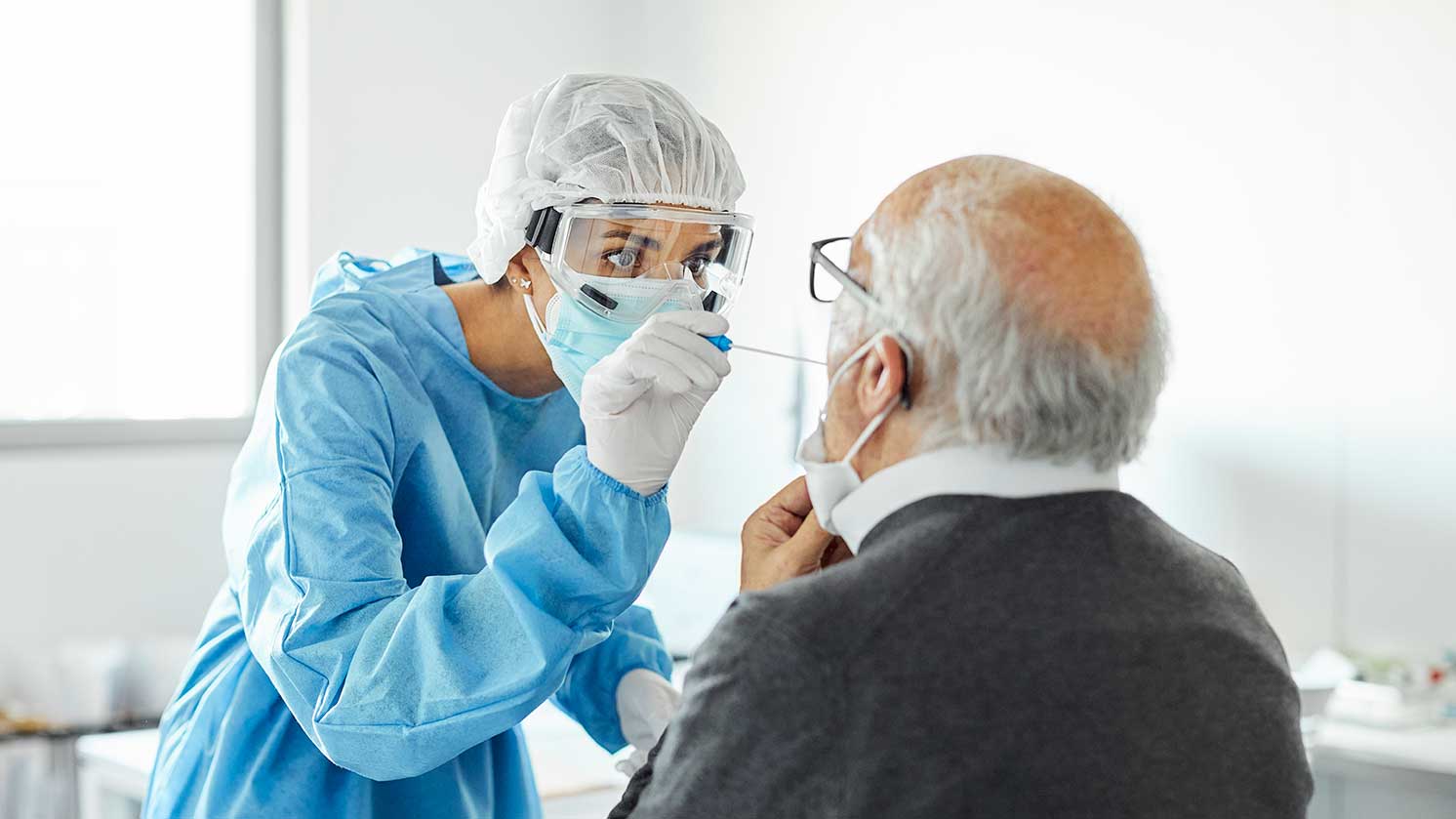
To prepare for your appointment, see the topic Making the Most of Your Appointment. Exams and TestsThe first step in diagnosing thyroid nodules is a medical history and physical exam. Thyroid nodules often are found during a physical exam or during a CT scan or ultrasound of the neck, chest, or head done for another problem. Most people do not find thyroid nodules on their own, because they are difficult to feel and usually do not cause symptoms. If your doctor finds a thyroid nodule, he or she may refer you to an endocrinologist for more tests and treatment. Common tests for people with thyroid nodules are:
Other tests you may have include:
Ongoing exams If your nodule is not cancerous, your doctor will check its size once a year. He or she may also do a thyroid-stimulating hormone (TSH) test to see how well your thyroid is working. An ultrasound may also be used to see if your thyroid nodule has grown. If your nodule has gotten bigger, another biopsy, and surgery, may be necessary. If your thyroid gland was removed because of cancer, your doctor may test for thyroglobulin, a protein made by both normal and cancerous cells. High levels of thyroglobulin may mean that the cancer has spread (metastasized) to other parts of your body. Treatment OverviewYour treatment will depend on how your thyroid nodule affects you. If your thyroid nodule is not cancerous (benign) and is not causing any problems, your doctor will watch the nodule closely before doing anything else. If your thyroid nodule is causing problems, you may need to take medicine or have surgery. Antithyroid medicine and radioactive iodine can treat benign nodules that are causing your thyroid gland to make too many hormones (hyperthyroidism). For more information on hyperthyroidism, see the topic Hyperthyroidism. Surgery is usually only necessary if your thyroid nodule is so large that it causes problems with breathing or swallowing or if your nodule is cancerous. After a cancerous nodule is surgically removed, you may need radioactive iodine to destroy any thyroid tissue or cancer cells that are still causing problems. If you need to have your entire thyroid gland removed, you will need to take thyroid hormone medicine for the rest of your life. For information about thyroid cancer and its treatment, see the topic Thyroid Cancer. Initial treatmentWhen you know you have a thyroid nodule, your treatment options include:
Ongoing treatmentIf your doctor is observing your thyroid nodule and there is no change in it, he or she may just continue to watch the nodule. If the nodule changes in size or in other ways, your doctor may do another thyroid biopsy and blood tests for thyroid-stimulating hormone (TSH). Or your doctor may perform surgery (thyroidectomy) to remove the nodule. If part or all of your thyroid gland needs to be surgically removed because of cancer, radioactive iodine may be used to destroy any thyroid tissue or cancer cells that remain after surgery. Your doctor may also recommend thyroid-stimulating hormone (TSH) suppression therapy to prevent thyroid nodules from coming back. If you have a thyroid nodule:
Treatment if the condition gets worseIf your thyroid nodule gets bigger, your doctor may recommend another thyroid biopsy to see whether the nodule has become cancerous. If your nodule has become cancerous or appears to be cancerous, your doctor will probably recommend surgery (thyroidectomy) to remove some or all of your thyroid gland. You may also need thyroid-stimulating hormone (TSH) suppression therapy and/or radioactive iodine. What To Think AboutIt is not clear how well thyroid-stimulating hormone suppression therapy works to shrink noncancerous thyroid nodules. If you have a noncancerous nodule, talk to your doctor about whether TSH suppression therapy is right for you. TSH suppression therapy can raise your risk of heart and bone problems, especially if you have heart disease or osteoporosis. If you have heart disease, this kind of medicine can make chest pain or problems with your heart rhythm worse. It can also raise your chances of heart attack. If you have osteoporosis, TSH suppression therapy can further weaken your bones. Surgery is the best treatment for cancerous thyroid nodules. If you have a suspicious nodule, you can often wait a while to have surgery because most thyroid cancers grow and spread very slowly. If you choose to delay surgery, your doctor will need to closely watch your nodule. PreventionThyroid nodules cannot be prevented. It is not clear whether people who do not have any risk factors and who do not have any symptoms of hyperthyroidism need to be tested regularly for thyroid problems. The American Thyroid Association recommends that adults, particularly women, be screened for thyroid problems every 5 years, beginning at age 35. But the U.S. Preventive Services Task Force does not think there is enough evidence to recommend either for or against regular thyroid testing. Talk to your doctor about whether you need to be tested for thyroid problems. Home TreatmentMost thyroid nodules are not cancerous. Many thyroid nodules do not need medical treatment. If you have a thyroid nodule that is being watched, schedule regular medical checkups to see whether there are any changes. If you have had surgery to remove your thyroid gland, it is important to:
If you have had radioactive iodine treatment for thyroid nodules, call your doctor if:
MedicationsSometimes doctors treat thyroid nodules with thyroid-stimulating hormone suppression therapy (levothyroxine) to stop the body from making thyroid-stimulating hormone (TSH) and prevent growth in the thyroid gland. Your doctor may recommend TSH suppression therapy if:
Medication Choices
What To Think AboutIt is not clear how well thyroid-stimulating hormone (TSH) suppression therapy works on noncancerous thyroid nodules. If you have a noncancerous nodule, talk to your doctor about whether TSH suppression therapy is right for you. TSH suppression therapy can increase your risk of heart and bone problems, especially if you have heart disease or osteoporosis. If you have heart disease, this kind of medicine can make chest pain or problems with your heart rhythm worse. It can also increase your chances of heart attack. If you have osteoporosis, TSH suppression therapy can further weaken your bones. TSH suppression therapy, even in low doses, often causes hyperthyroidism, especially if you have many thyroid nodules (multinodular goiter). Your doctor will regularly check to see how well your thyroid gland is working and adjust how much medicine you are taking in order to prevent hyperthyroidism. If a nodule is noncancerous but is producing too much thyroid hormone, causing hyperthyroidism, antithyroid medicines may be used before radioactive iodine treatment. For more information on treating hyperthyroidism, see the topic Hyperthyroidism. SurgerySurgery is the best treatment for thyroid nodules that are:
People who develop thyroid nodules after receiving radiation treatment to the head, neck, or chest are more likely to need surgery because their risk for developing thyroid cancer is greater. But most nodules in people who have had radiation therapy are not cancerous. For information about thyroid cancer and its treatment, see the topic Thyroid Cancer. Surgery ChoicesThe most common surgical procedure to remove thyroid nodules is thyroidectomy. What To Think AboutMost thyroid cancers grow and spread so slowly that you can delay surgery for a short time if you have a suspicious nodule that is not causing problems. If you choose to postpone surgery, your nodule should be watched closely by an endocrinologist. Other TreatmentOther treatment for thyroid nodules includes fine-needle aspiration and radioactive iodine. During a fine-needle aspiration, an endocrinologist uses a small needle to drain a fluid-filled (cystic) nodule. Some cysts do not return after they are drained. But most cysts do come back. If your nodule comes back after being drained once or twice, surgery to remove it is usually recommended. Radioactive iodine is sometimes used to treat hyperthyroidism in people who have noncancerous thyroid nodules. Other Treatment Choices
What To Think AboutSurgical removal is recommended for cystic nodules that come back, especially those larger than 1.6 in. (4.1 cm) in diameter. Hypothyroidism (too little thyroid hormone) occurs in about 10 out of 100 people within 5 years after being treated with radioactive iodine for thyroid nodules.1 For this reason, your doctor will check your thyroid hormone levels regularly after you have this treatment. If a thyroid nodule is not cancerous but is making too much thyroid hormone, causing hyperthyroidism, antithyroid medicines may be used before radioactive iodine treatment. For more information on treating hyperthyroidism, see the topic Hyperthyroidism. Other Places To Get HelpOrganizations
References
Credits
| |||||||||||||||||||||||||||||||||||||||||||||||||||||||||||||||||||||||||||||||||||||||||||||