Birth Control for Teens
Your Choices
Hay muchos tipos de anticonceptivos. Cada uno tiene sus ventajas y desventajas. Encuentre lo que le funcione.
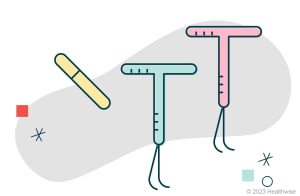
Métodos anticonceptivos reversibles de larga duración (LARC, por sus siglas en inglés). Un médico los coloca dentro de su cuerpo. Pueden prevenir el embarazo durante años.
Los ejemplos incluyen:
- Un implante (hormonal).
- Dispositivo intrauterino (DIU) de cobre.
- DIU hormonales.
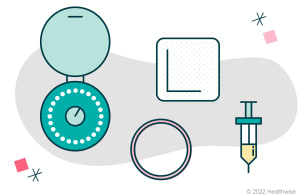
Métodos hormonales de corta duración. Estos liberan hormonas (estrógeno y progestina, o solo progestina).
Los ejemplos incluyen:
- Pastillas anticonceptivas combinadas ("la píldora").
- Parches cutáneos.
- Un anillo vaginal.
- Una inyección.
- Minipíldoras.
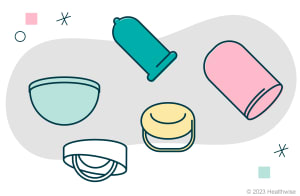
Métodos de barrera. Utilícelos cada vez que tenga relaciones sexuales vaginales.
Los ejemplos incluyen:
- Preservativos externos (masculinos).
- Preservativos internos (femeninos).
- Diafragmas.
- Capuchones cervicales.
- Esponjas.
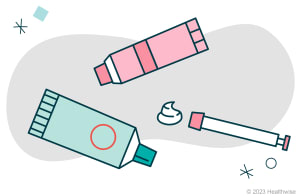
Espermicidas. Estos matan a los espermatozoides o impiden que se muevan. Pueden ser un gel, una crema, una espuma, una película o un comprimido. Utilícelos antes del sexo vaginal.
Los ejemplos incluyen:
- Nonoxinol-9.
- Gel regulador del pH.
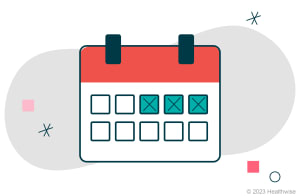
Métodos basados en la observación de la fertilidad. Aprenderá cuándo tiene más probabilidades de quedar embarazada (fértil). Puede evitar el sexo vaginal en ese momento.
También se llama:
- Planificación familiar natural.
- El método del ritmo.
Métodos anticonceptivos permanentes (esterilización). Esto puede ser una opción si está segura de que no quiere quedar embarazada más adelante.
Esto incluye:
- Vasectomía.
- Ligarse las trompas (ligadura de trompas).
Métodos anticonceptivos de emergencia. Se trata de un método de respaldo. Utilícelo si no usó métodos anticonceptivos o si su método anticonceptivo falló.
Los ejemplos incluyen:
- DIU de cobre y hormonales.
- Pastillas anticonceptivas de emergencia.
Emergency contraception
Emergency contraception is used to prevent pregnancy after unprotected vaginal sex. For example, you can use it if you were sexually assaulted (raped). You can also use it if a condom breaks or if you think your birth control didn't work.
If you had unprotected vaginal sex, you could get pregnant. This is true even if you haven't started your periods yet or you're close to menopause.
If you use emergency contraception right away, it might prevent an unplanned pregnancy. It may also keep you from worrying while you wait for your next period.
One option is emergency contraception ("morning-after") pills. These pills don't work as well as regular types of birth control. If it's important to you to prevent pregnancy, talk to your doctor about a type of regular birth control that will work for you.
Learn more
- Birth Control Hormones: The Implant
- Birth Control Hormones: The Mini-Pill
- Birth Control Hormones: The Patch
- Birth Control Hormones: The Pill
- Birth Control Hormones: The Vaginal Ring
- Birth Control Hormones: The Shot
- Birth Control: Pros and Cons of Hormonal Methods
Capuchón cervical anticonceptivo Esponja anticonceptiva - Diaphragm for Birth Control
- Emergency Contraception
- Internal (Female) Condoms
- How Birth Control Methods Prevent Pregnancy
- Intrauterine Device (IUD) for Birth Control
- External (Male) Condoms
Espermicida como método anticonceptivo
How to Decide
Before you choose birth control, you might think about:
How well it works.

- Some types work better than others to prevent pregnancy.
- Think about how important it is for you to not get pregnant.
How easy it is to use.

- Some types are taken daily.
- Other types are used each time you have vaginal sex.
- Others work for years without you having to do anything.
- For some, you'll avoid vaginal sex at certain times.
How much it costs.

- Some types are free in some clinics.
- Other types cost a lot at first but work for years.
- Insurance may cover prescription birth control.
Whether it protects you from sexually transmitted infections (STIs).

- Condoms can help protect you.
Whether it uses hormones.

- Some release estrogen and progestin. Some release progestin only.
- There are many choices, such as pills, patches, a ring, or IUDs.
If you want to get pregnant later.

- Some types allow you to get pregnant soon after you stop taking them.
- It may take months to become fertile again after stopping other types.
- Some types are meant to be permanent.
How easy it is to get.

- Some types are placed by a doctor.
- Others need a prescription.
- Some are available over the counter (OTC).
Privacy.

- Some types are easier to keep private.
- Others need to be used often and may be less private.
How it fits into your life.

- Some types interrupt sex.
- After other types are placed, you don't have to do anything.
- For some types, you'll avoid vaginal sex at certain times of your menstrual cycle.
If you have health problems.

- You may not be able to use certain types if you:
- Smoke.
- Just had a baby.
- Have had breast cancer.
- Some types may help with acne or period problems, such as heavy bleeding.
Learn more
- Effectiveness Rate of Birth Control Methods
How to Get Birth Control
Here are some ways you can get birth control.
Over the counter (OTC)

- Find them in drugstores, online, and in many grocery stores.
- Options include:
- Condoms.
- Sponges.
- Spermicides.
- Some birth control pills.
- Some emergency contraception.
From your doctor or family planning clinic

- You'll need a prescription for:
- Pills, patches, or a ring.
- A hormone shot.
- A diaphragm or cervical cap.
- Some emergency contraception.
- You can have an implant or IUD placed.
Abstinence
Many people decide to be abstinent on and off throughout their lives. This is for a lot of different reasons, such as to prevent pregnancy or to avoid sexually transmitted infections (STIs). Here are some ideas to help you be abstinent.
- Be clear with your partner about your limits with sex. Talk about what you want and how you feel.
- Remember why you chose abstinence. Think about your reasons for not having sex and why they are important to you. How you feel and what you believe matter.
- Try to avoid getting into situations where it could be hard to stay abstinent.
- Avoid using alcohol, marijuana, and other drugs. They can affect your decisions. Talk to your doctor if you need help to quit.
- Get support from someone you trust, such as a family member or your doctor. Share your decision, and talk about any challenges you're having staying abstinent. Your local Planned Parenthood clinic may have a support group where you can talk with others about abstinence.
Esta información no reemplaza el consejo de un médico. Ignite Healthwise, LLC, niega toda garantía y responsabilidad por el uso de esta información. El uso que usted haga de esta información implica que usted acepta los
Para aprender más sobre Ignite Healthwise, LLC, visite
© 2024-2025 Ignite Healthwise, LLC.
Enlaces relacionados
Page Footer
Quiero...
Audiencia
Sitios seguros para miembros
Información sobre The Cigna Group
Aviso legal
Los planes individuales y familiares de seguro médico y dental están asegurados por Cigna Health and Life Insurance Company (CHLIC), Cigna HealthCare of Arizona, Inc., Cigna HealthCare of Illinois, Inc., Cigna HealthCare of Georgia, Inc., Cigna HealthCare of North Carolina, Inc., Cigna HealthCare of South Carolina, Inc. y Cigna HealthCare of Texas, Inc. Los planes de beneficios de salud y de seguro de salud de grupo están asegurados o administrados por CHLIC, Connecticut General Life Insurance Company (CGLIC) o sus afiliadas (puedes ver
Todas las pólizas de seguros y los planes de beneficios de grupo contienen exclusiones y limitaciones. Para conocer la disponibilidad, los costos y detalles completos de la cobertura, comunícate con un agente autorizado o con un representante de ventas de Cigna. Este sitio web no está dirigido a los residentes de New Mexico.