Ir al menú principal Ir al contenido principal Ir al pie de página Para Medicare Para Proveedores Para Agentes Para Empleadores English Para individuos y familias: Para individuos y familias Médica Dental Otros seguros complementarios Explorar cobertura a través de tu empleador Cómo comprar seguros de salud Tipos de seguro dental Período de Inscripción Abierta vs. Período Especial de Inscripción Ver todos los temas Comprar planes de Medicare Guía para miembros Buscar un médico Ingresar a myCigna
Inicio Centro de información Biblioteca del bienestar Tongue-Tie

Tongue-Tie

Condition Basics

What is tongue-tie?

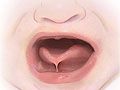
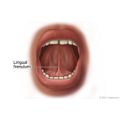
Tongue-tie happens when the tissue that attaches the tongue to the bottom of the mouth (lingual frenulum) is too short. This problem is present at birth. It can limit the movement of the tongue. Some children don't have problems. For others, it may cause problems with feeding, speech, and social interactions.

What causes it?

The cause of tongue-tie isn't always known. It can run in families or may occur in babies who have other problems that affect the mouth or face, such as cleft palate.

What are the symptoms?

Many children with tongue-tie don't have symptoms. The tissue either stretches as the child grows, or the child adapts to the tongue restriction. But some children may have:

  • Trouble latching and sucking during breastfeeding. Bottle-fed babies often don't have feeding problems. That's because drinking from a bottle uses different mouth movements than breastfeeding.
  • Gaps or spaces between the front lower teeth.
  • Speech problems. This may happen when the tip of the tongue cannot rise high enough to make some sounds clearly. These sounds may include t, d, z, s, th, n, and l.
  • Personal or social problems. The limited tongue movement can make it hard to do certain things, such as clean food off the teeth with the tongue.

How is it diagnosed?

Your doctor will do a physical exam of your child's mouth and ask about any symptoms. If you are trying to breastfeed, your doctor may also examine your breasts and watch your child trying to breastfeed. In an older child or adult, the doctor may check the shape and movements of the tongue.

How is tongue-tie treated?

If your baby has tongue-tie and is feeding okay, you may choose to wait and see if their lingual frenulum stretches on its own. You can also:

  • Talk to a lactation consultant. They can help if you or your baby is having trouble breastfeeding.
  • Consult a speech therapist if your toddler is having speech problems.

If tongue-tie causes problems with eating, speech, or social interactions, the doctor may release the tissue. This procedure is called a frenotomy or a frenuloplasty. The doctor clips the lingual frenulum and closes the wound with stitches. The doctor may teach your child how to do tongue exercises. These can help with tongue movement.

This information does not replace the advice of a doctor. Healthwise, Incorporated, disclaims any warranty or liability for your use of this information. Your use of this information means that you agree to the Terms of Use. Learn how we develop our content.

© 1995-2023 Healthwise, Incorporated. Healthwise, Healthwise for every health decision, and the Healthwise logo are trademarks of Healthwise, Incorporated.

Enlaces relacionados

Bottle-Feeding Mouth Problems, Noninjury Breastfeeding

<cipublic-spinner variant="large"><span>Loading…</span></cipublic-spinner>

Page Footer

Quiero...

Obtener una tarjeta ID Presentar un reclamo Ver mis reclamos y EOB Verificar la cobertura de mi plan Ver la lista de medicamentos con receta Buscar un médico, dentista o centro dentro de la red Buscar un formulario Buscar información del formulario de impuestos 1095-B Ver el Glosario de Cigna Comunicarme con Cigna

Audiencia

Individuos y familias Medicare Empleadores Agentes Proveedores

Sitios seguros para miembros

Portal myCigna para miembros Portal para proveedores de cuidado de la salud Cigna para empleadores Portal de recursos para clientes Cigna para agentes

Información sobre The Cigna Group

Acerca de Cigna Healthcare Perfil de la compañía Empleos Sala de prensa Inversionistas Distribuidores The Cigna Group Administradores externos Internacional Evernorth

 Cigna. Todos los derechos reservados.

Privacidad Asuntos legales Divulgaciones sobre productos Nombres de la compañía Cigna Derechos de los clientes Accesibilidad Aviso sobre no discriminación Asistencia idiomática [PDF] Reportar fraude Mapa del sitio Configuración de cookies

Aviso legal

Los planes individuales y familiares de seguro médico y dental están asegurados por Cigna Health and Life Insurance Company (CHLIC), Cigna HealthCare of Arizona, Inc., Cigna HealthCare of Illinois, Inc., Cigna HealthCare of Georgia, Inc., Cigna HealthCare of North Carolina, Inc., Cigna HealthCare of South Carolina, Inc. y Cigna HealthCare of Texas, Inc. Los planes de beneficios de salud y de seguro de salud de grupo están asegurados o administrados por CHLIC, Connecticut General Life Insurance Company (CGLIC) o sus afiliadas (puedes ver un listado de las entidades legales que aseguran o administran HMO para grupos, HMO dentales y otros productos o servicios en tu estado). Los planes o pólizas de seguro para lesiones accidentales, enfermedades críticas y cuidado hospitalario son distribuidos exclusivamente por o a través de subsidiarias operativas de Cigna Corporation, son administrados por Cigna Health and Life Insurance Company y están asegurados por (i) Cigna Health and Life Insurance Company (Bloomfield, CT), (ii) Life Insurance Company of North America (“LINA”) (Philadelphia, PA) o (iii) New York Life Group Insurance Company of NY (“NYLGICNY”) (New York, NY), anteriormente llamada Cigna Life Insurance Company of New York. El nombre Cigna, el logotipo y otras marcas de Cigna son propiedad de Cigna Intellectual Property, Inc. LINA y NYLGICNY no son afiliadas de Cigna.

Todas las pólizas de seguros y los planes de beneficios de grupo contienen exclusiones y limitaciones. Para conocer la disponibilidad, los costos y detalles completos de la cobertura, comunícate con un agente autorizado o con un representante de ventas de Cigna. Este sitio web no está dirigido a los residentes de New Mexico.

Al seleccionar estos enlaces saldrás de Cigna.com hacia otro sitio web que podría no ser un sitio web de Cigna. Cigna no puede controlar el contenido ni los enlaces de sitios web que no son de Cigna. Detalles