Skip to main navigation
Skip to main content
Skip to footer
For
Providers
For
Brokers
For
Employers
Español
For Individuals & Families:
For Individuals & Families
Medical
Dental
Other Supplemental
Explore coverage through work
How to Buy Health Insurance
Types of Dental Insurance
Open Enrollment vs. Special Enrollment
See all topics
Shop for international insurance plans
Member Guide
Find a Doctor
Log in to myCigna
Home
Knowledge Center
Wellness Library
Carbon Monoxide (CO) Test
Carbon Monoxide (CO) Test
A carbon monoxide blood test is used to detect carbon monoxide poisoning. Poisoning can happen if you breathe air that contains too much carbon monoxide. This gas has no color, odor, or taste, so you can't tell when you are breathing it. The test measures the amount of hemoglobin in your blood that has bonded with carbon monoxide.
Carbon monoxide can come from any source that burns fuel. Common sources are cars, fireplaces, powerboats, woodstoves, kerosene space heaters, charcoal grills, and gas appliances such as water heaters and ovens. These things usually cause no problems. But if they are not used or installed properly, carbon monoxide may build up in an enclosed space.
Inhaling smoke during a fire can also cause carbon monoxide poisoning.
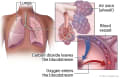
When you inhale carbon monoxide, it replaces the oxygen that is normally carried by the hemoglobin in your red blood cells. As a result, your brain and other tissues get less oxygen. This can cause serious symptoms or death.
Why It Is Done
Why It Is Done
This test may be done if you have been exposed to carbon monoxide or if you have unexplained symptoms, such as:
- Headache or dizziness.
- Nausea or vomiting.
- Extreme sleepiness.
- Shortness of breath.
- Confusion or trouble thinking.
How To Prepare
How To Prepare
In general, there's nothing you have to do before this test, unless your doctor tells you to.
How It Is Done
How It Is Done
A health professional uses a needle to take a blood sample, usually from the arm.
Watch
How It Feels
How It Feels
When a blood sample is taken, you may feel nothing at all from the needle. Or you might feel a quick sting or pinch.
Risks
Risks
There is very little chance of having a problem from this test. When a blood sample is taken, a small bruise may form at the site.
This information does not replace the advice of a doctor. Ignite Healthwise, LLC, disclaims any warranty or liability for your use of this information. Your use of this information means that you agree to the Terms of Use. Learn how we develop our content.
To learn more about Ignite Healthwise, LLC, visit webmdignite.com.
© 2024-2025 Ignite Healthwise, LLC.
Related Links
Medical Tests: Questions to Ask the Doctor
<cipublic-spinner variant="large"><span>Loading…</span></cipublic-spinner>