Skip to main navigation
Skip to main content
Skip to footer
For
Providers
For
Brokers
For
Employers
Español
For Individuals & Families:
For Individuals & Families
Medical
Dental
Other Supplemental
Explore coverage through work
How to Buy Health Insurance
Types of Dental Insurance
Open Enrollment vs. Special Enrollment
See all topics
Shop for international insurance plans
Member Guide
Find a Doctor
Log in to myCigna
Home
Knowledge Center
Wellness Library
Catheters for Male Urinary Incontinence
Catheters for Male Urinary Incontinence
Types of catheters include:
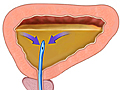
- Straight catheter. This is a thin, flexible, hollow tube that is inserted through the urethra into the bladder. It allows the urine to drain out. A straight catheter is used for intermittent self-catheterization.
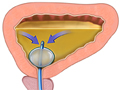
- Indwelling urinary catheter. This type of catheter remains in place all the time until it's taken out. It has a balloon on the end that is inflated with sterile water after the end is inside the bladder. The inflated balloon prevents the indwelling catheter from slipping out.
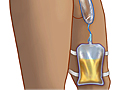
- External catheter. This type of catheter collects urine without needing to insert anything into your body. A special condom (condom catheter), pouch, or other device fits over the genitals. These are attached to a tube that collects urine. An external catheter can be changed at home. But it needs to be checked often. And skin can get irritated from contact with urine.
- Suprapubic catheter. This type of catheter is used when you aren't able to use a catheter that is inserted into the urethra. The tube is put into the bladder through a small cut in your belly. The urine collects in a bag attached to the other end of the tube.
What To Expect
What To Expect
Catheterization may cause some discomfort during the procedure. A condom catheter doesn't cause much discomfort. That's because it isn't inserted into the urethra. But indwelling catheters may cause some discomfort while in place.
Why It Is Done
Why It Is Done
Catheters can be used to treat severe incontinence that cannot be managed with medicines or surgery.
How Well It Works
How Well It Works
Catheters don't cure incontinence. They allow you or a caregiver to manage incontinence that cannot be managed with medicines or surgery. These devices work well. But some people find catheters uncomfortable or painful.
Risks
Risks
Using a catheter increases your risk for:
- Urinary tract infection.
- Damage to the urethra.
- Damage to the skin of the penis.
This information does not replace the advice of a doctor. Ignite Healthwise, LLC, disclaims any warranty or liability for your use of this information. Your use of this information means that you agree to the Terms of Use. Learn how we develop our content.
To learn more about Ignite Healthwise, LLC, visit webmdignite.com.
© 2024-2025 Ignite Healthwise, LLC.
<cipublic-spinner variant="large"><span>Loading…</span></cipublic-spinner>